

The Albie Countdown: Getting Your Gear Ready for False Albacore
- phil32990
- 6 minutes ago
- 5 min read
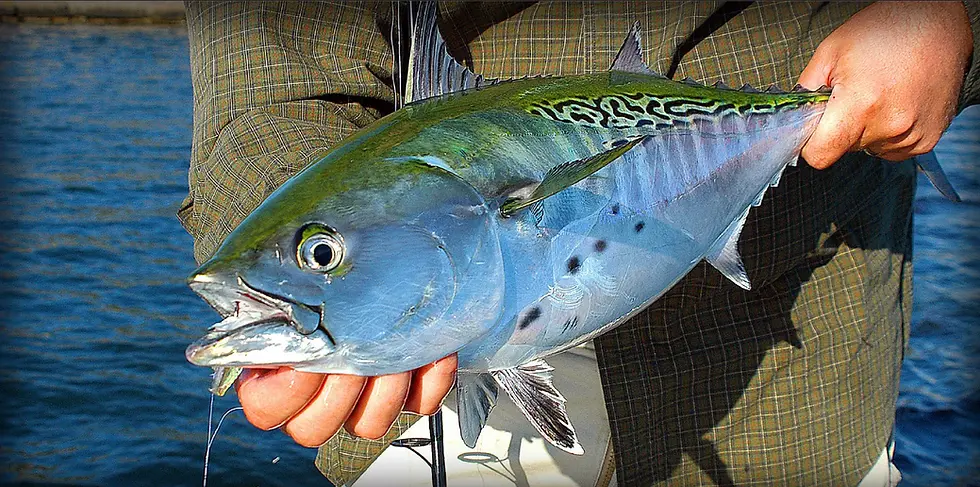
If you fish Cape Cod, you know there is a certain excitement that comes with the end of August. The days are still long, the water is warm, and some of the fastest, most aggressive fish in the Northeast are getting ready to invade the Cape any day.
We’re talking about false albacore.
When the first major push of albies show up, the action can go from quiet to chaotic in a matter of minutes. A school can appear on the surface, blitz bait for 10 minutes, and disappear just as quickly. When that happens, there is no time to start looking for the right leader, replace worn line, or figure out which jig you want to throw.
Right Now is the time to get your albie gear ready.
Build the Right Albie Rod
False albacore are incredibly powerful for their size, which makes tackle selection important. You want a rod that can launch small, aerodynamic lures a long distance while still having enough backbone to control a hard-running fish.
For most Cape Cod fishermen, a 7- to 8-foot medium or medium-light spinning rod is an excellent starting point. A fast or moderately fast action helps with casting distance and allows the rod to load properly with lighter lures. The TSUNAMI FORGED INSHORE SPINNING ROD is a perfect example.
The goal is not to overpower an albie. The goal is to have a rod that allows you to make long casts, work small lures effectively and enjoy the fight.
Match It With a Quality Spinning Reel
Your reel is arguably even more important than the rod when targeting albies.
These fish can make blistering runs, and a smooth, reliable drag is essential. Look for a reel with plenty of line capacity and a drag system that remains smooth when a fish suddenly accelerates.
A 2500, 3000 or 4000-size spinning reel is generally a great match for an albie setup, depending on the rod and lure size you're using. Check out the SHIMANO SUSTAIN FJ SPINNING REEL
One important rule: don't wait until the first albie blitz to discover that your reel needs attention.
Check your drag now. Make sure the bail operates properly. Inspect the line roller. Give the reel a good cleaning if it has seen a lot of saltwater use this summer.
When an albie hits 100 feet into your cast, you want to be thinking about the fish—not your equipment.
Braid: Thin, Strong and Ready for Long Casts
Braided line is almost mandatory for serious albie fishing.
Its small diameter helps lightweight jigs and plugs achieve the long casts necessary to reach feeding fish. A typical setup might use 10- to 20-pound braid, depending on the size of your tackle and the conditions.
But don't assume the braid on your reel is ready just because it is still there.
Run your fingers along the first several yards of line. Look for fraying, discoloration or damaged sections. If the line has been heavily used around rocks, boats, jetties or structure, consider replacing it.
Albies don't give you many second chances.
Your Leader Is Critical
This is one area where albie anglers should never cut corners.
False albacore have excellent eyesight, and they are often feeding aggressively on tiny bait. When they are keyed in on small forage, they can become surprisingly selective.
A fluorocarbon leader is a popular choice because of its abrasion resistance and relatively low visibility.
Leader strength depends on the situation, but many Cape Cod anglers carry several options so they can adjust as conditions change. If fish are refusing your offering, going lighter can sometimes make a dramatic difference.
And remember: check your leader after every fish.
Albies are hard on tackle. Their teeth aren't the problem—their speed, powerful runs and repeated contact with the lure and leader are. A leader that looks fine at the beginning of the day may be compromised after several fish.
Stock Up on Epoxy Jigs
If there is one category of lure that belongs in every Cape Cod albie box, it's the small epoxy-style jig.
These lures are excellent imitators of the small baitfish albies commonly target. They cast extremely well for their size and can be worked quickly across the surface or just beneath it.
Carry several sizes and colors. Bait size can change quickly, and having multiple options allows you to experiment when the fish aren't cooperating.
White, bone, olive, silver and other natural baitfish patterns are all worth having.
Most importantly, carry more than you think you'll need.
Albies have a way of finding the lure you really like and destroying it.
Don't Forget Metal Jigs
Small metal jigs are another Cape Cod albie staple.
Their aerodynamic shape allows you to make extremely long casts, which is a huge advantage when fish are feeding beyond normal casting range. Metals also give you another presentation when the fish aren't interested in your epoxy jig.
A fast retrieve is often the starting point, but don't be afraid to experiment. Sometimes albies want a lure burning just under the surface. Other times they may respond better when the lure is allowed to sink before beginning the retrieve.
The key is to pay attention to what the fish are doing rather than automatically fishing one speed.
Keep a Few Small Plugs Ready
While jigs will probably get most of the attention, small hard plugs deserve a place in your albie box.
They can be particularly effective when fish are feeding near the surface or when you need a different profile or action.
Choose compact, aerodynamic plugs that cast well and can withstand repeated strikes.
Remember that an albie lure doesn't have to be huge to be effective. In fact, when the fish are focused on tiny bait, a smaller presentation can be the difference between getting follows and getting slammed.
Hooks and Terminal Tackle Matter
Before albie season gets rolling, inspect your hooks.
If the hooks on your favorite jigs or plugs are rusty, bent or dull, replace them now. Don't wait until you have a fish hooked and realize the point isn't penetrating properly.
It's also smart to carry extra swivels, snaps and leader material.
One of the advantages of being prepared is being able to make a quick tackle change while everyone else is scrambling.
The Cape Cod Albie Rule: Be Ready to Move
Having the right gear isn't enough.
You also need to be ready to move when the fish move.
Albies can cover enormous amounts of water while chasing bait. A school that was feeding off one beach or point can suddenly appear several miles away.
Keep your gear organized. Have your leader already tied. Keep your favorite jigs where you can reach them. Make sure your pliers, scissors and other essentials are accessible.
If you're fishing from a boat, keep multiple rods rigged with different presentations.
When the captain says, "They're up!" you don't want to spend five minutes digging through a tackle bag.
Get Ready Before the Blitz
That is really the message as we approach the end of August.
Don't wait for the albies to arrive before preparing for albies.
Check your reels. Replace questionable braid. Stock up on fluorocarbon. Tie leaders. Sharpen or replace hooks. Organize your jigs and plugs. Make sure your rod and reel combinations are balanced and ready to cast.
Because when that first big school of false albacore erupts on the surface, the window can be incredibly short.
The anglers who are prepared are the ones who get bit.
And on Cape Cod, there may be no more exciting cast of the late summer than launching a small jig into a breaking school of albies and watching the line come tight almost instantly.
The countdown is on. Get your gear ready now, and when the albies show, you'll be ready to go.
Stop by Goose Hummock and get your albie arsenal dialed in before the first major schools arrive. From light spinning rods and high-performance reels to braid, fluorocarbon, epoxy jigs, metals and small plugs, having the right gear on hand can make all the difference when the action breaks open.


Comments