

The Cape Cod Fall Run Starter Kit: Everything You Need Under $200
- phil32990
- 12 hours ago
- 6 min read

The fall run is coming—and you don't need to spend a fortune to be ready. Here's how to build a versatile Cape Cod saltwater tackle kit for under $200.
There is a moment every year on Cape Cod when summer fishing starts to feel different.
The mornings get cooler. The bait begins stacking up. Birds start working over nervous water. Peanut bunker, sand eels, mackerel and other forage become increasingly important, and striped bass suddenly seem much more interested in eating than they were a few weeks earlier.
Then one morning you find yourself standing on the beach watching bass, bluefish—or maybe even albies—destroy a school of bait.
That's the Cape Cod fall run.
The best part? You don't need a $500 tackle bag to participate.
With a little planning, you can put together a remarkably capable fall-run starter kit for less than $200—with enough versatility to fish beaches, jetties, bays, estuaries and even the Cape Cod Canal.
The key is buying a handful of proven presentations rather than filling your bag with every lure on the wall.
What Makes a Good Fall-Run Tackle Kit?
Fall fishing on Cape Cod can change dramatically from one day to the next—and sometimes from one tide to the next.
One day you're throwing a topwater plug at bass crushing peanut bunker. The next you're casting a small metal into breaking albies. A few days later, the fish may be deep and feeding on sand eels.
That's why your starter kit should cover four basic situations:
Surface feeding
Baitfish and sand-eel patterns
Deeper water
Fast-moving bonito and false albacore
The goal isn't to carry 25 lures.
It's to carry six or seven lures that do different jobs.
Cape Cod's fall run is driven by rapidly changing bait and conditions, making versatility especially important.

1. Start With a Topwater Plug
Budget: About $15–$25
Every Cape Cod fall-run bag needs at least one surface lure.
There are few fishing experiences better than watching a striper explode on a topwater plug in September. When bass are pushing peanut bunker or other baitfish toward the surface, a walking plug, pencil popper or popper can be absolutely deadly.
A YO-ZURI Hydro Pencil 5" is an excellent example of the type of lure we're talking about. At 5 inches and approximately 1 ounce, it offers a useful combination of casting distance and a walk-the-dog presentation. It can imitate everything from bunker to mackerel and is particularly useful when bass are feeding near the surface.
Look for: bone, white, bunker or natural baitfish patterns.
Where to use it: beaches, jetties, estuaries, rips and the Canal.
Starter-kit role: Your surface presentation.
2. Add an Epoxy Jig
Budget: About $8–$12
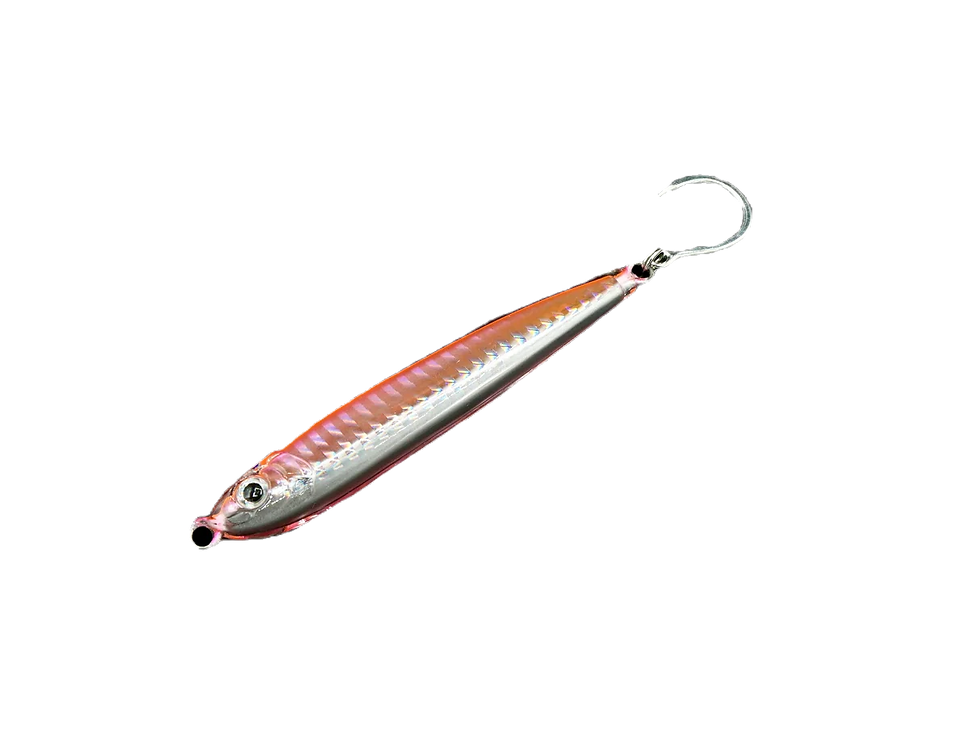
If there's one lure category you absolutely shouldn't overlook in the fall, it's the epoxy jig.
Small bait can create some of the most exciting fishing of the season, particularly when bonito and false albacore are around. Epoxy jigs are compact, aerodynamic and capable of being launched a long way—exactly what you want when fish are blitzing 50 yards beyond your normal casting range.
They also work for stripers when they're keyed in on small baitfish.
The Mighty Fish's epoxy jigs are particularly well suited to the Cape Cod approach because they can be fished quickly when albies are around or slowed down when bass are feeding more deliberately. Cape Cod fall guides routinely recommend epoxy jigs and metals as essential small-bait presentations.
Look for: 1/2- to 1-ounce sizes in silver, olive, green or white.
Starter-kit role: Your small-bait and albie weapon.

3. Don't Leave Without The Metal
Budget: About $8–$12
A metal jig might be the least glamorous lure in your tackle bag—but it may also be one of the most useful.
When you need distance, a metal gets the job done.
When the wind is blowing.
When the bait is small and thin profiled.
When the fish are holding deeper.
When birds are working 100 yards offshore.
That's when you'll be glad you brought one.
Slim-profile metals are particularly effective when Cape Cod stripers are feeding on sand eels. They can be cast long distances and worked at different depths, making them one of the most versatile fall lures you can carry.
Starter-kit role: Long-distance casting and subsurface fishing.

4. Put a Soft Plastic in the Bag
Budget: About $10–$15
Don't overlook soft plastics simply because they aren't flashy.
A 5- to 7-inch paddletail or sand-eel imitation can be incredibly effective when fish aren't interested in a fast-moving plug.
Soft plastics allow you to slow down.
You can work them along the bottom, through current, around structure or across shallow flats. They're particularly useful when stripers are feeding below the surface or when conditions call for a more subtle presentation.
A white, pearl, bone or sand-eel-colored plastic is a great starting point.
And because soft plastics are relatively inexpensive, you can carry several without blowing the budget.
Starter-kit role: Your versatile, subsurface presentation.

5. Add a Swimming Plug
Budget: About $15–$20
Every fall-run tackle bag should have one reliable swimming plug.
Something like a Daiwa SP Minnow gives you a completely different presentation from an epoxy jig or topwater lure.
It can be fished around beaches, estuaries, rips and structure and is particularly useful when stripers are feeding on larger baitfish.
The SP Minnow has also become a popular Cape Cod striper lure because of its casting ability and baitfish profile.
Good colors: bone, bunker, silver or natural baitfish patterns.
Starter-kit role: Your go-to subsurface striper plug.

6. Don't Forget A Bucktail
Budget: About $8–$12
A bucktail jig is one of those lures that experienced Cape anglers never seem to completely abandon.
There's a reason.
Bucktails can be fished shallow or deep, slowly or quickly, and with or without a trailer. They can imitate everything from sand eels to squid depending on how you rig and retrieve them.
They're especially useful when fish are holding deeper in current or when surface activity has disappeared.
For a starter kit, one or two bucktails in different weights can dramatically increase your options.
Starter-kit role: Bottom-oriented and current-heavy situations.
7. Buy a Leader and Terminal-Tackle Supply
Budget: About $15–$20
This isn't the exciting part of tackle shopping.
But it's the stuff that keeps your fishing trip from ending prematurely.
Your $200 fall-run budget should include:
Fluorocarbon leader
Swivels
Tactical clips
Split rings
Replacement hooks
Small snaps
A few jig heads
Fall fish are powerful, and Cape Cod conditions can be rough on tackle. Bluefish, rocks, sand and repeated casting can quickly expose weak terminal tackle.
A handful of quality components can save an expensive lure—or keep you from watching your favorite plug disappear into the distance.
8. Don't Forget a Good Pair of Pliers
Budget: About $15–$25
If you're going to fish saltwater, you need pliers.
Period.
You need them to change hooks, remove split rings, cut leader, deal with bluefish and safely release fish.
A pair of corrosion-resistant fishing pliers is one of those purchases that might not seem exciting until you're standing on the beach with a treble hook buried in a fish's mouth.
Then you'll be glad you bought them.
The Under-$200 Cape Cod Fall-Run Shopping List
Here's how a realistic starter kit can come together:
Item | Target Budget |
Topwater plug | $20 |
Epoxy jig | $10 |
Metal jig | $10 |
Soft plastic + jig head | $15 |
Swimming plug | $18 |
Bucktail jig | $10 |
Leader & terminal tackle | $20 |
Saltwater pliers | $20 |
Estimated total | $123 |
That leaves you with roughly $75 of the original $200 budget to customize the kit.
And that's where things get interesting.
You could add another topwater plug.
Add several colors of epoxy jigs.
Buy additional soft plastics.
Add another swimming plug.
Upgrade your terminal tackle.
Or simply keep the money in your pocket.
The point is that you don't have to spend $200 to get ready.
You can build a highly capable fall-run kit for considerably less.
The One Thing You Shouldn't Do
Don't spend your entire budget buying five lures that all do the same thing.
A tackle bag containing four different topwater plugs isn't nearly as useful as a bag containing:
one topwater + one swimmer + one epoxy + one metal + one soft plastic + one bucktail.
That's six different tools for six different situations.
And that's exactly what you want when the fall run is changing by the hour.
Cape Cod Fall Fishing Is About Being Ready
The biggest mistake an angler can make during the fall run isn't necessarily choosing the wrong lure.
It's not having the right lure with you when the opportunity appears.
You can spend an entire morning catching nothing.
Then the birds start diving.
The bait erupts.
The bass begin crashing through the school.
And suddenly you have 10 minutes of some of the best fishing Cape Cod offers.
That's when you want to reach into your bag and know that you're covered.
The fall run can begin showing signs as early as late August, with September typically bringing some of the most exciting migration activity. Bait movement, cooling water and weather changes can all dramatically alter where the fish are and what they'll eat.
So don't overthink it.
Get a versatile bag together. Keep it light. Watch the birds. Watch the bait. Watch the weather—and be ready to move.
Because on Cape Cod, the fall run doesn't care whether you spent $200 or $2,000.
The fish only care about what's happening in front of them.
And with the right starter kit, you'll be ready when it happens.
Ready to build your Cape Cod fall-run kit?
Check out the saltwater tackle selection at The Mighty Fish and Goose Hummock for the plugs, jigs, soft plastics, terminal tackle and accessories you'll need to put together your own fall-run arsenal.
The goal: Spend less time shopping and more time fishing.


Comments